
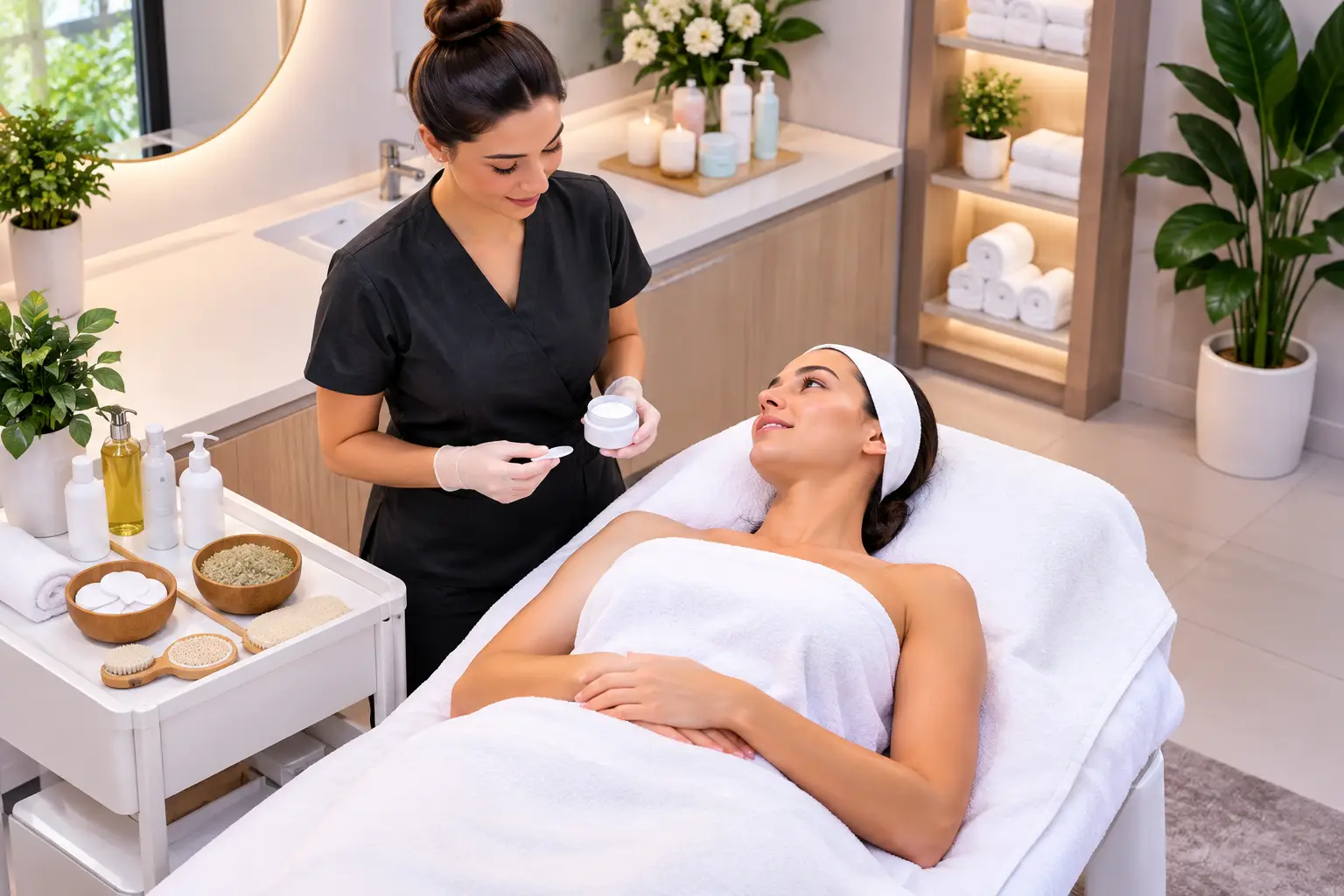
That smooth, freshly waxed feeling should not be followed by days of itchy bumps, tenderness, or frustration. If you are trying to prevent ingrown hairs after waxing, the answer is not harsher scrubbing or piling on products. It is a consistent routine that protects the follicle before, during, and after hair removal.
Ingrown hairs are common, especially in areas where hair is coarse, curly, or exposed to friction from underwear, workout clothes, or shaving between appointments. They are not a sign that you have done anything wrong. They are simply a sign that the new hair is having trouble growing cleanly through the skin.
The good news: thoughtful preparation, professional technique, and a little patience between visits can make a meaningful difference.
Why Ingrown Hairs Happen After Waxing
An ingrown hair develops when new hair curls or grows sideways into the skin instead of coming up through the follicle opening. Waxing removes hair from the root, which leaves the follicle temporarily open and the skin more sensitive. As the hair begins to grow back, dead skin cells, dryness, bacteria, and friction can block its path.
Some people are more prone to ingrowns because of their hair texture or skin sensitivity. Brazilian and bikini-area clients often notice them more because the area is warm, covered, and subject to rubbing throughout the day. Underarms, legs, and facial areas can also develop bumps, particularly if the skin is dry or the hair has been removed against its natural growth pattern.
Not every post-wax bump is an ingrown hair. A small amount of redness directly after a service can be a normal short-term skin response. Persistent painful bumps, spreading redness, warmth, drainage, or symptoms that worsen deserve medical advice rather than more exfoliation.
Start With the Right Waxing Technique
Prevention starts before aftercare ever enters the picture. Hair should be removed with attention to its natural growth direction and the condition of your skin. Pulling hair in a way that creates unnecessary breakage can leave short hairs behind, increasing the chance that they will become trapped as they grow.
This is one reason professional technique matters. A trained specialist evaluates hair direction, density, previous irritation, and sensitivity rather than treating every area exactly the same. Skin should also be clean, prepared, and handled with precision. Repeated passes over the same spot may irritate the skin, particularly in delicate areas.
The method matters, but there is no single right choice for every person. Some clients prefer waxing, while others find sugaring gentler for their skin and hair type. Nufree may be a good fit for clients looking for a virtually painless option. The best method is the one that removes hair effectively while respecting your skin, not the one that sounds best on social media.
Keep a Consistent Appointment Schedule
Waxing works best when hair is long enough to be removed cleanly, usually about the length of a grain of rice. Booking too soon can mean more hair breakage; waiting too long can make the appointment less comfortable and allow more uneven growth.
For many Brazilian and body-waxing clients, a regular four-to-six-week schedule helps the hair grow in more evenly over time. Your ideal timing depends on your individual growth cycle, the area being treated, and how your skin responds. A professional can help you find a rhythm that feels manageable.
How to Prevent Ingrown Hairs After Waxing at Home
The first 24 to 48 hours are about calming the skin. Your follicles have just been cleared, and they need a little breathing room. Skip intense workouts, hot baths, saunas, swimming pools, and tight clothing during this period when possible. Heat, sweat, and friction can all contribute to irritation.
Wear loose, breathable fabrics after a bikini or Brazilian appointment. If you exercise regularly, scheduling your wax when you can take a day off from a high-sweat workout may be worth it. This is not about following a perfect routine. It is about reducing avoidable irritation when your skin is at its most vulnerable.
Avoid touching the area throughout the day. Hands carry bacteria, and picking at a bump can turn a minor concern into lingering discoloration or inflammation. If you do notice a hair close to the surface, resist the urge to dig for it with tweezers. That can damage the skin and raise the risk of infection.
Exfoliate Gently, Not Aggressively
Once the initial sensitivity has settled, gentle exfoliation is one of the most effective ways to keep skin clear around the follicle opening. Most people can begin about 48 hours after waxing, but sensitive skin may need more time. If your skin is still red, tender, or visibly irritated, wait.
Choose an approach that feels comfortable for your skin. A mild chemical exfoliant can help loosen dead skin cells without the friction of a scrub. Some clients prefer a soft exfoliating mitt or cloth used lightly in the shower. Neither option should sting, leave the skin raw, or create more redness.
Exfoliate two or three times weekly rather than every day. More is not better here. Over-exfoliating can weaken the skin barrier, create dryness, and make bumps more likely. The goal is to encourage clear, calm skin, not to polish it until it feels tight.
If you use exfoliating acids, retinoids, or prescription skin treatments, ask your esthetician or dermatologist how to time them around waxing. These products can increase sensitivity, especially on the face and bikini line.
Hydrate Your Skin Every Day
Dry skin tends to hold on to dead cells, making it harder for new hairs to emerge. A lightweight, fragrance-free moisturizer supports the skin barrier and keeps the surface supple. Apply it daily after bathing, then follow with your preferred exfoliation routine on designated days.
Hydration does not mean using heavy, pore-clogging products in every area. For the bikini line, a simple soothing formula is often enough. If a product causes burning, itching, or a rash, stop using it. Skin care should feel supportive, not like a test of endurance.
Avoid the Habits That Set Skin Back
Shaving between wax appointments is one of the most common reasons clients struggle with uneven regrowth and irritation. It changes the growth cycle and can leave blunt hair tips that feel prickly as they emerge. If you are aiming for smoother long-term results, let the hair grow until your next appointment whenever you can.
There are a few other habits worth avoiding after waxing:
- Picking, squeezing, or digging at bumps
- Using heavily fragranced lotions, body sprays, or harsh deodorants on freshly waxed skin
- Wearing tight, non-breathable clothing immediately after a Brazilian or bikini wax
- Exfoliating too soon or scrubbing hard enough to leave skin sore
If you get ingrowns often, take a closer look at friction. Cycling, close-fitting activewear, synthetic underwear, and long hours in damp clothing can all be contributing factors. You do not have to stop living your life. Small adjustments, such as changing out of sweaty clothes promptly and choosing breathable fabrics, can help.
What to Do When an Ingrown Hair Appears
First, keep the area clean and hands off. Apply a gentle warm compress for several minutes to soften the skin, then allow time for the hair to work its way out naturally. Resume gentle exfoliation only if the skin is not open, painful, or irritated.
Do not pop the bump or force the hair out. Even if you can see it, pulling at it can introduce bacteria and leave a dark mark that lasts much longer than the ingrown itself. For repeated or stubborn concerns, a professional can help you adjust your removal method and aftercare plan.
If bumps are frequent, painful, or seem different from your usual ingrowns, speak with a medical professional. Sometimes what looks like an ingrown hair needs a different kind of care.
A More Comfortable Routine Starts With Personal Advice
Your skin does not need a complicated ten-step routine. It needs the right timing, a gentle exfoliation plan, daily hydration, and hair removal that respects your natural growth pattern. First-time clients and longtime waxers alike deserve clear guidance without judgment or pressure.
At Create Confidence, every appointment is a chance to make your routine feel easier, calmer, and more comfortable. Smooth skin is nice. Feeling informed, respected, and confident in your own care is even better.