When your skin feels tight before noon, makeup catches on dry patches, or cleansing leaves your face feeling stripped, a standard facial can feel like a gamble. The best facial for dry skin is not the one with the strongest exfoliation or the most products. It is a customized service that brings comfort back to your skin while supporting the barrier that helps it hold on to moisture.
Dry skin deserves more than a quick layer of cream at the end of an appointment. It needs gentle assessment, thoughtful product choices, and a pace that respects what your skin is telling you. You should leave feeling soft, calm, and cared for – never stinging, flushed, or overworked.
What Dry Skin Actually Needs From a Facial
Dry skin is often short on lipids, the natural oils that help keep water from escaping through the skin’s surface. That is why it can look dull, feel rough, or become sensitive when the weather changes. If your skin is dry, it may also be more reactive after harsh cleansing, aggressive exfoliation, or fragranced products.
A facial for dry skin should focus on hydration and barrier support, but those are not exactly the same thing. Hydration adds water to the skin through ingredients such as humectants. Barrier-supporting care helps seal in that hydration with nourishing creams, oils, and skin-identical lipids. A good treatment combines both instead of relying on one heavy moisturizer.
Your esthetician should also consider whether your dryness is truly dryness, dehydration, sensitivity, or a combination. Oily skin can be dehydrated. Sensitive skin can feel dry because its barrier has been irritated. This is why a one-size-fits-all “hydrating facial” is not always the right answer.
The Best Facial for Dry Skin Is Usually Customized
A customized hydrating facial is often the best choice because it can be adjusted around your skin’s condition that day. Your skin may need a soothing, low-exfoliation service in the winter, then tolerate a little more brightening support when it is calm and balanced.
The appointment should begin with a conversation, not assumptions. Let your esthetician know if your face burns after cleansing, flakes around the nose, reacts to new products, or feels drier after exfoliating. Mention prescription skincare, retinoids, recent professional treatments, allergies, and any areas that feel tender. There is no need to minimize what you are experiencing. Clear details help create a better plan.
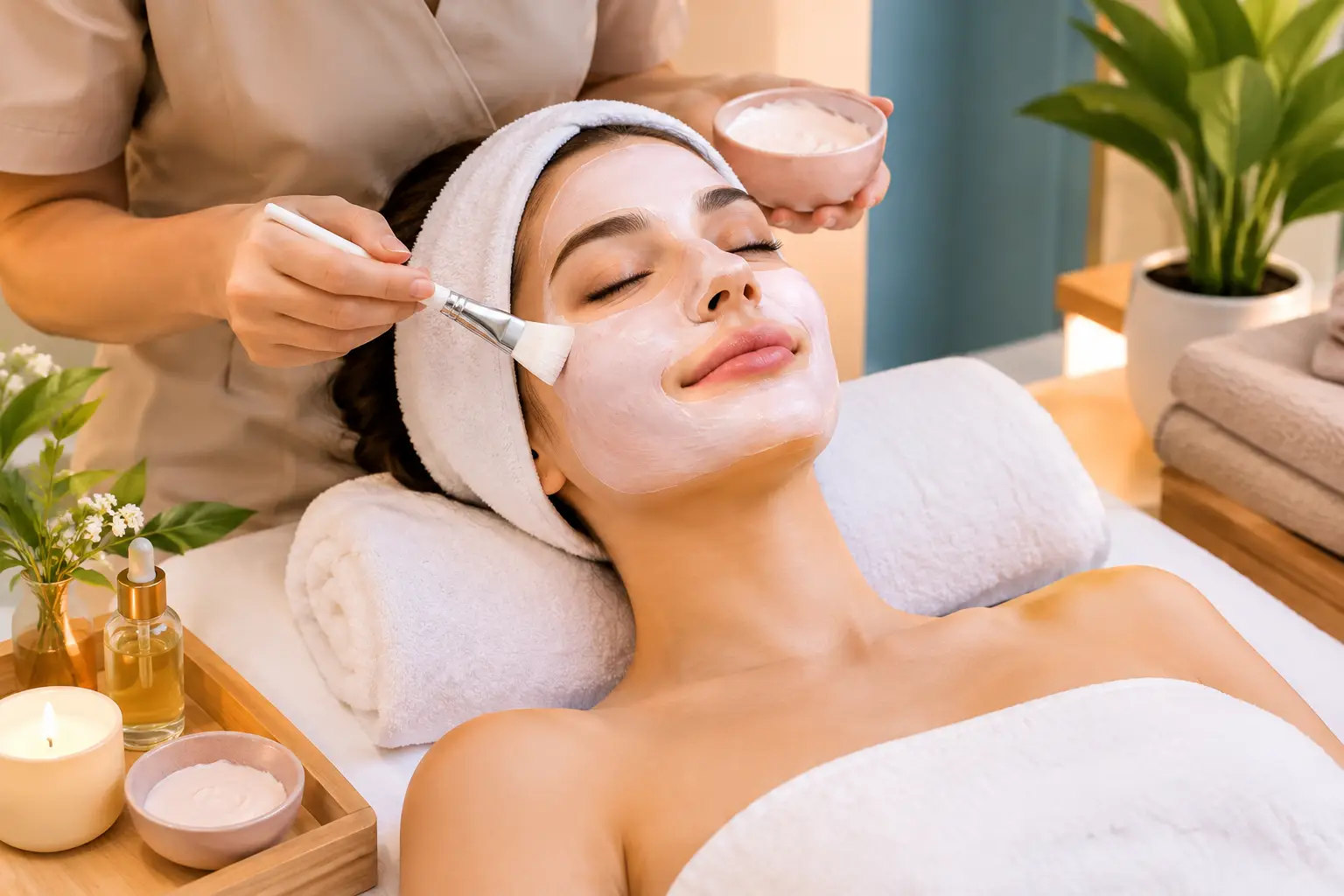
A thoughtful facial may include a gentle cleanse, mild exfoliation only if your skin can handle it, hydrating serums, a replenishing mask, and massage with products chosen for comfort. The exact steps matter less than the response of your skin. More intensity does not mean better results.
Gentle Exfoliation Can Help, But Only in the Right Amount
Dry skin can still benefit from exfoliation. Removing surface buildup may help hydrating products sit more evenly and can improve the look of rough texture. The trade-off is that too much exfoliation can make dryness worse by disrupting an already stressed barrier.
For many dry-skinned clients, a mild enzyme treatment or very gentle exfoliation is a better fit than harsh scrubs or strong acids. If your face is cracked, sore, actively irritated, or peeling, the right choice may be to skip exfoliation altogether and focus entirely on soothing care. This is not a missed step. It is smart skin care.
Hydrating Serums and Masks Should Feel Calming
After cleansing and any appropriate exfoliation, the focus should shift to replenishment. Hydrating serums can draw water into the outer layers of the skin, while a nourishing mask can help reduce that tight, papery feeling. Ingredients are helpful, but comfort is also a clue. Your skin should not feel hot, prickly, or challenged during a hydration-focused service.
A professional facial is also a chance to slow down. Gentle facial massage can support relaxation and leave the skin looking more refreshed. For clients who carry stress in their jaw or brow, that quiet time can be part of why a facial feels so restorative.
Facials That May Not Be Right When Your Skin Is Very Dry
Not every popular treatment suits dry skin at every stage. Deep cleansing can be useful for congestion, but an overly clarifying facial may leave dry skin feeling even tighter. Strong peels can have a place in a long-term skincare plan, yet they are not always the first move when your barrier is struggling.
Be cautious with treatments that promise instant resurfacing, intense extraction, or a dramatic “squeaky clean” finish. Skin is not meant to feel squeaky. That sensation can mean too much oil has been removed.
This does not mean dry skin can never receive active treatments. It means timing and customization matter. Once the skin feels calm and consistently moisturized, your esthetician may recommend a gradual approach to texture, dullness, or uneven tone. The goal is progress without sacrificing comfort.
How to Prepare for a Hydrating Facial
You do not need an elaborate routine before your appointment. In fact, keeping things simple is often best. Avoid trying a new active product in the days before your facial, especially if you have sensitive skin. If you use exfoliating acids, retinoids, or at-home scrubs, ask your esthetician whether you should pause them beforehand.
Come in with an honest picture of your routine. Bring up the moisturizer you love but suspect is no longer enough, the cleanser that sometimes stings, or the dry patches that keep returning. You are never being difficult by asking questions or sharing concerns. A comfortable facial starts with feeling heard.
If you are scheduling facial hair removal around your facial, mention it when booking. Your provider can help you plan the order and timing so your skin receives the most considerate care possible.
Keep the Results Going at Home
A facial can give dry skin a meaningful reset, but your everyday habits determine how long that comfortable feeling lasts. Use a gentle cleanser that does not leave your face tight. Apply moisturizer while the skin is still slightly damp, and do not skip it simply because the weather is humid.
During the day, sunscreen matters too. Sun exposure can contribute to dryness and sensitivity, even when the sky is cloudy. At night, a richer moisturizer may be helpful, particularly around areas that flake or feel tight.
If you are tempted to exfoliate because your skin looks dull, pause and assess first. Dullness can come from dryness, not just buildup. Adding more acids or scrubs to an already dry routine can create a frustrating cycle of irritation, peeling, and more product use. Sometimes the skin needs fewer steps, not stronger ones.
How Often Should You Book a Facial for Dry Skin?
For many people, a customized facial every four to six weeks is a comfortable rhythm. That timing follows the general skin renewal cycle while allowing your esthetician to see how your skin responds over time. But it depends on the season, your home routine, your sensitivity level, and any goals beyond hydration.
You may want more support during cold, windy months or when indoor heating leaves your face especially dry. If you have a compromised barrier or a skin condition that flares, your provider may suggest a gentler schedule and encourage you to consult a dermatologist when appropriate. Professional skincare should work alongside medical care, not replace it.
What a Comfortable Appointment Should Feel Like
The right facial does not ask you to push through discomfort for the sake of results. You should feel comfortable speaking up if a product tingles, the room feels too warm, or you are unsure about a recommended step. Personalized care means there is room to adjust.
At Create Confidence, customized facials are approached with the same calm, no-pressure care we bring to every personal service. You are never rushed. You are always respected. Whether this is your first facial or you are trying to repair a routine that has stopped working, you deserve guidance that feels clear and kind.
Dry skin can be persistent, especially when weather, stress, and product overload are all working against you. A gentle facial is a chance to listen to your skin, give it what it is missing, and leave feeling more comfortable in it.